Understanding Metal Roofs: An Overview
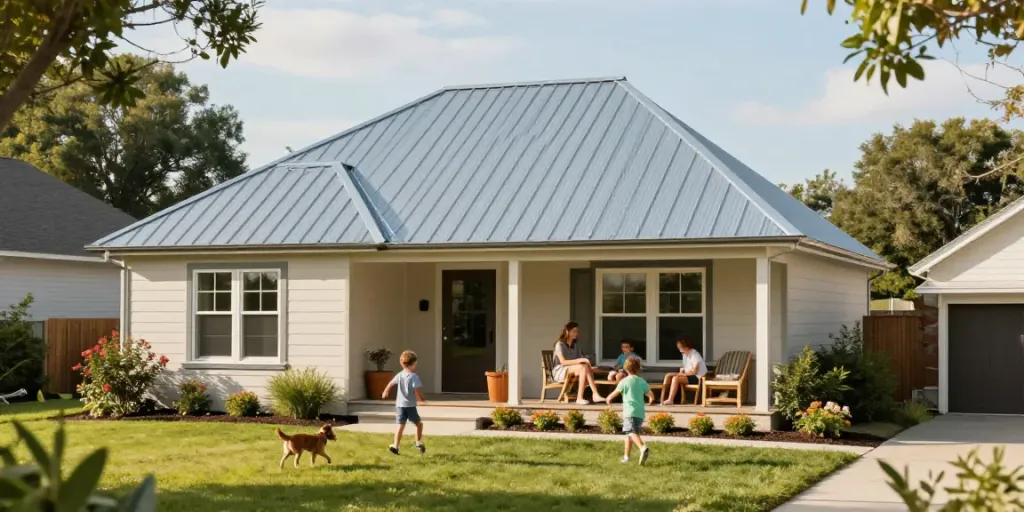
Metal roofs have gained significant popularity among homeowners and builders alike due to their durability, energy efficiency, and modern aesthetic appeal. As a versatile roofing option, metal roofs can be made from a variety of materials, including steel, aluminum, copper, and zinc. When exploring options, Metal Roof systems are known for their ability to withstand harsh weather conditions and require low maintenance over time. This article delves into the fundamentals of metal roofing, highlighting its benefits, common misconceptions, and the types available in the market today.
What is a Metal Roof?
A metal roof is a roofing system that utilizes metal panels or tiles, providing significant advantages over traditional roofing materials. These roofs are recognized for their longevity and resistance to extreme weather, including heavy winds, rain, and snow. Metal roofing systems are designed to shed water effectively, preventing leaks and enhancing the lifespan of the structure beneath. Their lightweight nature also means that they can often be installed over existing roofs, reducing the need for extensive renovation.
Benefits of Choosing Metal Roofs
Opting for a metal roof comes with several benefits, including:
- Durability: Metal roofs can last 40-70 years, depending on the material.
- Energy Efficiency: Reflective coatings can help reduce energy costs by lowering cooling requirements.
- Low Maintenance: Unlike asphalt shingles, metal roofs do not require frequent repairs or replacements.
- Eco-Friendly: Many metal roofs are made from recycled materials and are themselves recyclable.
- Variety of Styles: Available in different colors and finishes, metal roofs can suit various architectural styles.
Common Myths About Metal Roofing
Despite their growing popularity, misconceptions about metal roofs persist. Some common myths include:
- Metal roofs are noisy: When installed correctly, metal roofs can be quieter than traditional roofs, especially with proper insulation.
- They attract lightning: Metal roofs are not more likely to be struck by lightning than other materials. They can actually reduce fire risk.
- Metal roofs are only suitable for modern homes: With various styles available, metal roofs can complement any architectural design.
Types of Metal Roofs: Finding the Right Fit
Choosing the right type of metal roof depends on various factors, including your home's architecture, budget, and personal preferences. There are several styles and materials to consider when selecting your metal roofing.
Popular Styles and Materials
The most common types of metal roofs include:
- Standing Seam: Known for its sleek lines and modern look, standing seam roofs feature vertical panels with raised seams that interlock, providing excellent waterproofing.
- Metal Shingles: Mimicking the appearance of traditional shingles, metal shingles offer a classic look while maintaining the benefits of metal roofing.
- Corrugated Panels: Often used for agricultural buildings and sheds, these panels are lightweight and durable, designed to withstand harsh conditions.
- Stone-Coated Steel: A hybrid option, stone-coated steel combines the durability of metal with the aesthetic appeal of traditional roofing materials.
Comparing Metal Roof vs. Traditional Roofing Options
While metal roofs present distinct advantages, it's essential to compare them with traditional materials such as asphalt shingles:
- Longevity: Metal roofs last significantly longer (40-70 years) compared to asphalt shingles (15-30 years).
- Cost Efficiency: Although the upfront cost of metal roofing can be higher, its longevity and low maintenance costs make it a more economical choice in the long run.
- Energy Efficiency: Metal roofs reflect solar heat, reducing cooling costs, while asphalt absorbs heat, potentially increasing energy bills.
How to Choose the Right Color and Finish
Selecting the appropriate color and finish for your metal roof involves aesthetic and functional considerations. Lighter colors typically reflect heat, while darker shades absorb it. Ensure the chosen finish complements the overall design of your home. Additionally, consider finishes that provide extra protection against corrosion and UV rays to enhance durability.
Installation Process: A Step-by-Step Guide
Installing a metal roof requires careful planning and execution to ensure its longevity and performance. Below is an overview of the installation process.
Preparing Your Home for Metal Roofing
Before installation begins, inspect your existing roof structure for any damage. Proper preparation might involve repairing or reinforcing the roof deck. Clear any debris and ensure adequate ventilation to extend the roof’s lifespan.
Essential Tools and Safety Gear Needed
Key tools for installing a metal roof include:
- Metal snips
- Drilling tools
- Measuring tape
- Level
- Ladder and safety harness
Installation Techniques: Best Practices
Follow best practices during installation to ensure your metal roof performs optimally:
- Use a recommended underlayment to enhance waterproofing.
- Install panels from the bottom up, overlapping each layer to allow for drainage.
- Secure panels with screws designed for metal roofing to prevent rusting.
- Allow for expansion and contraction by leaving appropriate gaps between panels.
Maintenance and Longevity of Metal Roofs
Proper maintenance can significantly extend the life of your metal roof. Here are the essential tips to ensure durability.
Regular Maintenance Tips to Ensure Durability
To maintain your metal roof, consider the following:
- Inspect for signs of rust or damage at least twice a year.
- Clean gutters and downspouts regularly to prevent water buildup.
- Remove debris like leaves and branches to avoid moisture retention.
How Weather Conditions Affect Metal Roofs
Metal roofs are designed to withstand a variety of weather conditions. However, excessive snow or ice can lead to damage if not managed properly. Ensure snow is cleared off regularly to prevent ice dams. On the other hand, in areas with high temperatures, consider reflective coatings to manage heat absorption.
Signs Your Metal Roof Needs Repair
Look out for indicators that your metal roof may need repair:
- Visible rust spots or corrosion
- Leaks during heavy rains
- Loose or missing panels
Future Trends in Metal Roofing: What to Expect in 2026
As we look towards 2026, several trends are emerging in the metal roofing industry that homeowners should consider.
Innovations in Metal Roofing Materials
New materials such as advanced galvanized steel and coated aluminum are becoming more common, offering enhanced durability and style with reduced weight and cost. These innovations will likely lead to more efficient production and installation processes.
Environmental Considerations and Sustainability
With growing concerns about environmental impact, manufacturers are focusing on sustainable practices. This includes using recycled materials and developing energy-efficient coatings that promote sustainability without compromising quality.
Emerging Design Trends for Metal Roofs
In 2026, expect to see an increase in custom metal roof designs that cater to individual homeowner styles. Architectural elements, unique shapes, and colors will allow for enhanced personalization.
Can Metal Roofs Increase Home Value?
Investing in a metal roof not only enhances aesthetic appeal but can also significantly increase property value, especially in regions where energy efficiency is in high demand.
What is the Average Lifespan of a Metal Roof?
Typically, a well-maintained metal roof can last between 40 to 70 years, making it a long-term investment compared to traditional roofing options.
Comparative Costs: Metal Roof vs. Other Materials?
While the initial installation cost of a metal roof may be higher than other materials like asphalt shingles, the long-term savings on maintenance and energy bills often make it the more economical choice.
Understanding the Installation Timeline?
The installation timeline for a metal roof typically ranges from one to three days, depending on the roof's size and the complexity of the installation process.
Are Metal Roofs Noisier Than Other Types?
When properly insulated, metal roofs are not noisier than traditional roofing materials. Insulation minimizes sound from rain and hail, providing a quiet interior.
What Maintenance Does a Metal Roof Require?
Regular inspections, cleaning, and occasional touch-ups to the paint or finish are necessary to keep a metal roof in top condition.
How Do Metal Roofs Handle Extreme Weather?
Metal roofs are highly resilient against extreme weather conditions, including high winds, heavy snowfall, and intense heat, making them ideal for various climates.