Understanding Water Damage Restoration in West Vancouver
Water damage can strike unexpectedly, causing significant disruption to homes and businesses in West Vancouver. From heavy rainfall to plumbing failures, the risks are abundant, and understanding how to effectively manage and restore property is crucial for homeowners and tenants alike. With the right approach and expert guidance from seasoned professionals, restoration can significantly reduce long-term damage while preserving property value and ensuring safety. When exploring options, Water Damage Restoration West Vancouver provides comprehensive insights into emergency responses and restoration processes tailored to local challenges.
What is Water Damage Restoration?
Water damage restoration is the process of cleaning, drying, and repairing properties affected by water intrusion. This encompasses a range of activities including water extraction, damage assessment, drying affected areas, and restoring the property to its original condition. It is an essential service in West Vancouver, where natural elements and aging infrastructures often contribute to water-related challenges.
Importance of Timely Intervention
Swift action is vital when addressing water damage. Delaying restoration efforts can lead to severe structural damage, mold growth, and increased repair costs. Water can permeate foundational structures, causing not only physical damage but also posing health risks due to mold and mildew. Immediate intervention ensures that restoration efforts can begin promptly, minimizing potential losses.
How Water Damage Impacts Properties in West Vancouver
West Vancouver’s unique environmental factors such as heavy rainfall, coastal humidity, and aging plumbing systems can contribute to various forms of water damage. Residential and commercial buildings alike may face issues ranging from minor leaks to catastrophic flooding. These damages can lead to costly repairs and long-term impacts on property health. Understanding the local landscape and its relation to water damage is essential for effective management.
Common Causes of Water Damage in West Vancouver Homes
Heavy Rainfall and Flooding Events
West Vancouver experiences significant rainfall, especially during the winter months. When the volume of rain exceeds the capacity of drainage systems, flooding can occur, causing substantial damage to homes. Areas near rivers and lakes are particularly vulnerable, as rapid rises in water levels can lead to overflowing banks and property damage.
Aging Plumbing Systems
Many homes in West Vancouver are older and may have aging plumbing systems. Corrosion, rust, and deterioration can lead to pipe leaks, often going unnoticed until extensive damage has occurred. Regular maintenance and inspections can help identify these risks before they escalate into more significant problems.
Appliance Leaks and Failures
Modern households rely heavily on appliances such as washing machines, dishwashers, and water heaters. Over time, these appliances can develop leaks due to wear and tear. It’s crucial to monitor your appliances and routinely check hoses and connections to prevent unexpected leaks that can lead to water damage.
Recognizing Early Signs of Water Damage
Visual Indicators of Water Damage
When inspecting for water damage, look for discoloration on walls and ceilings, bubbling paint, or warped flooring. These visual indicators are often the first sign that water has infiltrated the structure and that immediate action is required.
Odors and Mold Growth Signs
Musty odors often signal the presence of mold, which thrives in damp environments. Pay attention to any unusual smells; they can provide an early warning of hidden water problems. If detected early, remediation can be more straightforward and less costly.
Functional Problems in Appliances and Structures
Water damage can lead to malfunctions in household systems. For example, appliances may show signs of leakage, or there could be issues with drainage in sinks and bathtubs. Addressing these functional problems can help identify the source of water intrusion before it becomes more severe.
The Water Damage Restoration Process Explained
Initial Assessment and Inspection Steps
The restoration process begins with a thorough assessment of the property. Professionals will inspect the extent of the damage, identify any areas requiring immediate attention, and develop a tailored restoration plan. This initial evaluation is crucial for effective remediation.
Water Extraction Techniques and Equipment Used
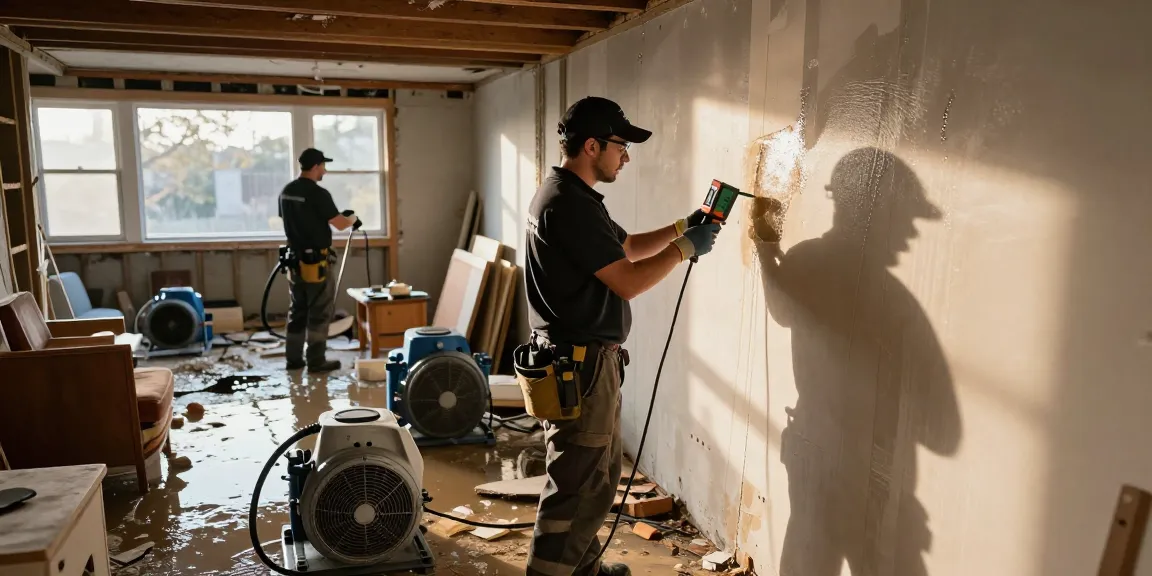
Advanced techniques are employed for water extraction, including high-powered pumps and specialized vacuums. Industrial-grade dehumidifiers and air movers are crucial in the drying phase, ensuring that moisture is eliminated from all affected areas.
Restoration and Repair Processes
Once the water is extracted, the focus shifts to restoring affected materials. This may involve drying, cleaning, and disinfecting surfaces, as well as repairing or replacing damaged structures. The goal is to return the property to its pre-damage state efficiently and safely.
Choosing the Right Water Damage Restoration Services
Key Qualities of Professional Restoration Companies
When selecting a water damage restoration service, it’s important to look for certifications, experience, and positive customer feedback. A reputable company will have qualified technicians who utilize the latest technology and adhere to industry best practices.
How to Evaluate Certifications and Customer Reviews
Verify that the company holds relevant certifications, such as IICRC (Institute of Inspection, Cleaning and Restoration Certification), which demonstrates adherence to quality standards. Additionally, reading customer reviews can provide insight into the company’s reliability and quality of service.
Understanding Insurance Coverage for Water Damage
It’s essential to understand your insurance policy and what it covers regarding water damage. Some policies may only cover certain types of damage, while others could provide more comprehensive coverage. Engaging a restoration service that assists with insurance claims can also streamline the process and alleviate stress.
Is Water Damage Restoration Worth It?
Yes, investing in professional water damage restoration is typically worth it. While upfront costs may seem steep, the potential savings from preventing further damage and mold growth are significant. Long-term, not addressing water damage can lead to health risks and costly repairs.
What Types of Equipment Are Used in Water Damage Restoration?
Restoration companies utilize a wide range of equipment, including:
- Industrial dehumidifiers
- High-capacity pumps
- Moisture meters and thermal imaging cameras
- Air movers
- HEPA filters for air purification
This equipment ensures thorough and efficient drying and helps prevent secondary damage.
Can Water-Damaged Materials Be Restored, or Do They Need to Be Replaced?
Many water-damaged materials can be restored if addressed quickly. However, porous materials like drywall may need replacement if severely affected. A thorough assessment by professionals can determine the best course of action for each material.
Does VR PLUS Assist with Insurance Claims for Water Damage Restoration?
Yes, VR PLUS provides support with the insurance claims process, including documentation and liaising with your insurance adjuster. This assistance can help simplify the often-complex claims procedure and ensure you’re properly covered for restoration costs.
What Does Mold Smell Like?
Mold typically emits a musty, earthy odor. If you notice this smell in your home, it may indicate the presence of mold growth, which can pose health risks. Early detection and remediation are crucial for maintaining a safe home environment.